Creative Basement Remodel Ideas That Add Functionality and Fun
It is the third straight weekend of rain, the kids are restless, and you find yourself standing at the bottom of the basement stairs looking at all that square footage going to waste. Boxes you have not opened in years. A bare concrete floor. A single dim bulb overhead. You already sense this space could be something far better, you just are not sure where to begin. If you have lived in a Pacific Northwest home long enough, you have probably had this exact moment more than once.
Here is the most important thing to understand before you start dreaming about theaters and game rooms: a great basement begins with the space being dry, warm, and properly sealed, then builds the fun on top of that foundation. After finishing hundreds of lower levels across the region, we can tell you the projects that fail almost always skipped that first step. The ones that last treat moisture control as the quiet hero behind every comfortable room. Get that right, and your basement can become almost anything you want it to be.
Start With Moisture Control Before Anything Fun
Before a single stud goes up, your basement has to win the fight against water. In our climate, where rain falls a good chunk of the year and the ground stays saturated for months, moisture is the number one thing that ruins finished basements. We look for damp corners, a musty smell, white chalky residue on the concrete, and humidity that creeps above 60 percent. The fix usually means sealing the foundation, improving exterior drainage, and laying a quality vapor barrier under new flooring. A dehumidifier sized for the full square footage keeps the air comfortable through the wet season. Handle this layer well, and everything you build on top lasts for decades.
A Home Theater for Long Rainy Evenings
A basement makes a perfect home theater because it is already dark, quiet, and tucked away from the rest of the house. Those long gray evenings we get from October through spring practically beg for a dedicated movie room. Mount a large screen or projector on one wall, add tiered seating so everyone gets a clear view, and wrap the walls in acoustic panels to keep sound contained. Carpet over a thick pad softens echoes and warms cold concrete underfoot. We often run dimmable lighting on a smart switch, so the room shifts from bright family hangout to true theater in seconds. For families stuck half the year indoors, this single room earns its keep faster than almost any other.
A Fitness Studio That Keeps You Active All Winter
Putting a home gym in your basement solves a problem every Pacific Northwest homeowner knows well: staying active when it is dark and pouring outside. The cool, stable temperature down there is actually ideal for exercise, since you stay comfortable even during a hard session. Lay down rubber flooring at least 8 millimeters thick to protect the slab and cushion your joints, then add a wall of mirrors to open up the space and check your form. Ventilation matters more here than anywhere, so we recommend a dedicated fan or fresh air vent to keep humidity from building during workouts. A few machines, free weights, and a cardio piece turn forgotten square footage into a reason to skip the drive to the gym.
An Entertainment Lounge and Bar
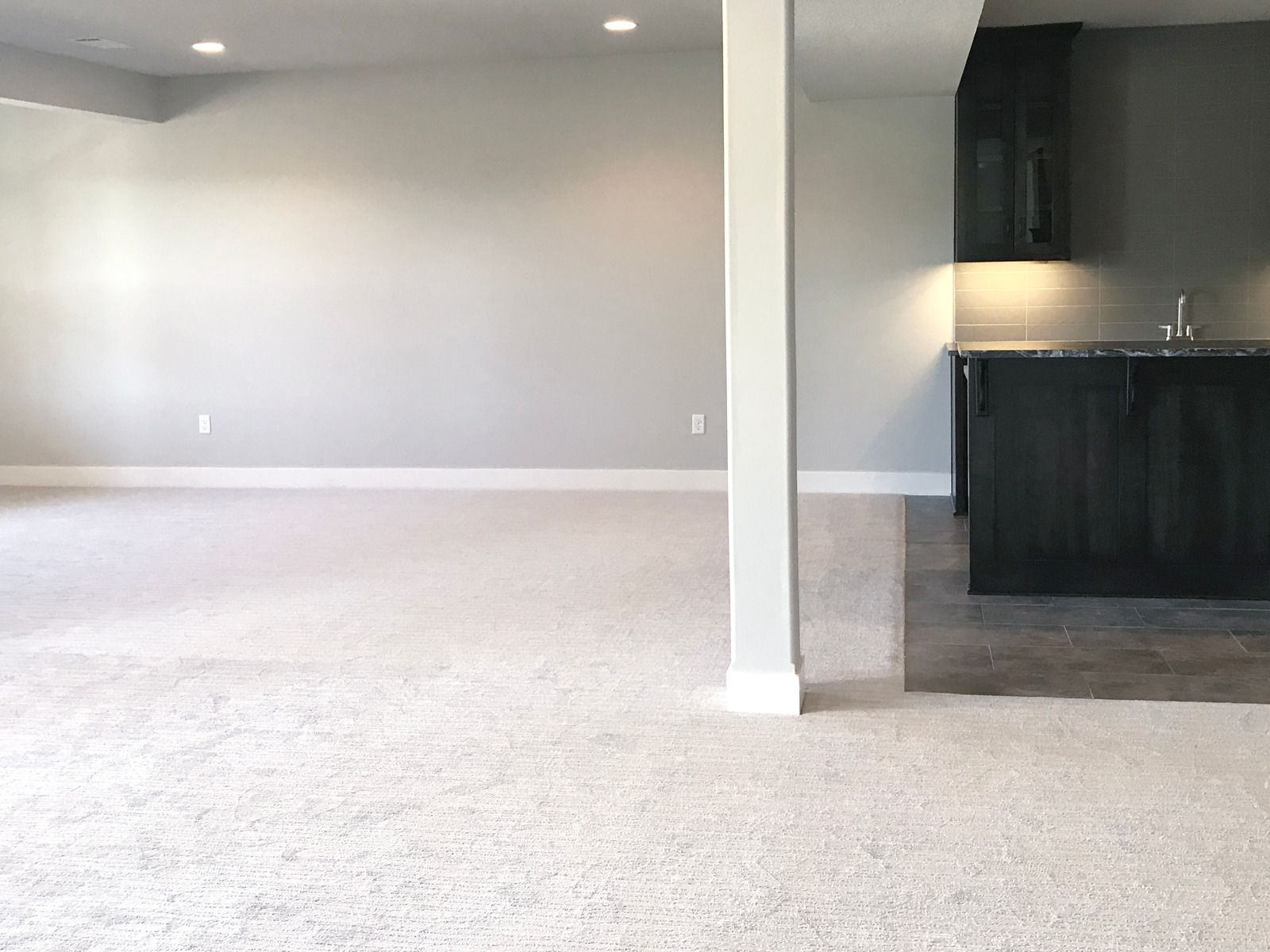
A basement lounge with a built in bar gives you the gathering spot every home wishes it had. Frame a counter with a sink, a compact fridge, and open shelving for glassware, then add comfortable seating and a spot for cards or a television. This is the room that makes hosting easy on a rainy Saturday, keeping the party downstairs and your main floor calm. We like warm wood tones, layered lighting, and a durable floor that shrugs off spills. Throw in a dartboard or a small games corner, and the space works for a quiet evening or a full house. For a region that spends so much of the year indoors, a true entertaining zone gets used far more than most owners expect.
A Flexible Guest Suite
A basement guest suite gives you one of the most useful rooms in the whole house, and it pulls double duty the rest of the year. Frame a comfortable sleeping area with a large window for natural light and an easy exit, add a small sitting zone, and you have a private retreat for visiting family. When no one is staying over, the same space works as a quiet reading room or overflow space for a growing household. We keep the design flexible with a sleeper sofa, soft layered lighting, and built in storage so the room never feels locked into one purpose. In a region where family often travels in to escape harsher winters elsewhere, a warm lower level pays off again and again.
A Play and Game Zone for the Whole Family
A dedicated play and game zone might be the most used room you ever build, especially with kids who need somewhere to burn energy when the weather keeps them inside. Soft foam or cushioned flooring protects little ones and quiets the noise that travels to the floor above. Set aside one area for active play and another for a pool table, dartboard, or arcade games, and you cover every age in the house. We have built climbing walls, indoor forts, and chalkboard walls that kids actually use for years. Washable surfaces handle muddy socks and spills without a fuss, and plenty of low storage keeps everything off the floor. With rain in the forecast so often here, an indoor space built for movement keeps everyone sane.
Brightening a Basement in the Pacific Northwest
The biggest complaint we hear about basements is that they feel dark and closed in, which hits harder in a place that already sees gray skies much of the year. The good news is that smart lighting design erases that feeling completely. Layer your lighting with recessed ceiling fixtures for overall brightness, warm lamps for cozy corners, and accent lights to highlight features. Light, reflective paint colors bounce what daylight you do get and make the ceiling feel taller. If your home sits on a slope, a daylight basement with larger windows pulls in real sunlight and changes the whole mood. We often add a few full spectrum bulbs that mimic natural light, which makes a real difference through the darkest stretch of winter.
Frequently Asked Questions
How long does a basement remodel usually take?
Most basement remodels run six to ten weeks, depending on the size of the space, the plumbing involved, and how much moisture work has to happen first. Material lead times can stretch the schedule a little further. We map the full timeline around your goals upfront, so you know what to expect before demolition begins.
Is it safe to finish a basement that sometimes gets damp?
Not until the moisture source is fixed first. Finishing over a damp slab traps water behind the walls and grows mold you cannot see until it spreads. We seal the foundation, improve drainage, and test the humidity before any framing goes up, so your finished space stays healthy, dry, and comfortable for the long haul.
Do basements in the Vancouver area need extra waterproofing?
Yes, they almost always do. Our long wet season and saturated soil push far more groundwater against foundations than drier regions ever face, so local basements need reliable exterior drainage, sealed foundation walls, and a dehumidifier sized for the room. We design every lower level here around that steady seasonal moisture right from the start.
Can I add a bathroom to my basement?
Often yes, though it depends on where your main sewer line sits relative to the basement floor. When gravity drainage will not reach it, a sealed pump system lifts wastewater up to the main line instead. We map your plumbing early in the design, so the new layout fits cleanly without any unwelcome surprises later.
Will a finished basement feel cold in winter?
Not if it is insulated and sealed properly from the start. Cold basements usually come from bare concrete walls and hidden air leaks, not the underground location itself. With proper wall insulation, warm flooring, and a tie in to your existing central heating system, your lower level stays just as comfortable as any room upstairs.
Experienced Hands Ready To Reshape Your Lower Level
The single principle behind every successful basement is simple: control the moisture first, then build the fun on top of a dry, warm, well sealed foundation. That order matters more here than almost anywhere, because our long wet season and damp soil punish any lower level finished in the wrong sequence. Done right, these creative basement remodel ideas turn the least used part of your home into the one your family gravitates toward all year.
At
Covas Construction, we have spent 20 years helping homeowners transform basements across Vancouver, Washington and the surrounding communities. If you are ready to reclaim that space below your stairs, reach out and let us walk your basement with you, talk through what is possible, and map a plan built around how you really want to use it.