10 Signs Your Kitchen Needs a Remodel (Before It’s Too Late)
The kitchen is one of the most heavily used spaces in any home, making it a central part of daily routines, family interaction, meal preparation, and entertaining. Over time, even well-maintained kitchens begin showing signs of wear that affect functionality, efficiency, and visual appeal. Homeowners often delay remodeling projects because the damage appears manageable at first, but minor issues can quickly develop into costly repairs, safety hazards, or inefficient layouts that disrupt everyday living. Recognizing the warning signs early allows homeowners to improve comfort, increase property value, and avoid larger structural or mechanical problems later. A kitchen that no longer supports the household’s needs can also create unnecessary frustration during everyday tasks. Investing in timely upgrades helps improve organization, optimize available space, and create a more enjoyable environment for cooking and gathering. In many cases, proactive remodeling can also prevent hidden issues such as water damage, deteriorating flooring, or outdated electrical systems from becoming major concerns.
Modern kitchen remodeling has become more than a cosmetic upgrade. Today’s remodeling projects focus on maximizing storage, improving energy efficiency, enhancing workflow, and creating spaces that support changing lifestyles. Outdated cabinetry, poor lighting, aging appliances, and insufficient layouts can reduce usability and negatively impact a home’s overall marketability. Understanding when a kitchen requires renovation helps homeowners make informed decisions before problems worsen. The following signs highlight when a kitchen remodel becomes necessary and explain why addressing these issues early can protect both the home and long-term investment value. Many homeowners are also prioritizing modern design features that improve convenience, safety, and long-term durability. Smart storage solutions, upgraded materials, and energy-efficient fixtures not only enhance everyday living but also contribute to lower maintenance costs over time. A thoughtfully remodeled kitchen can significantly improve both the appearance and functionality of the entire home.
1. Poor Kitchen Layout Makes Daily Tasks Difficult
Inefficient Workflow Between Appliances
One of the clearest signs a kitchen needs remodeling is an outdated layout that disrupts efficiency. When the sink, refrigerator, and stove are poorly positioned, preparing meals becomes inconvenient and time-consuming. Homeowners often notice constant backtracking, limited movement, and overcrowding during cooking.
Modern remodeling focuses on improving workflow through better spacing and functional layouts. Open-concept designs and optimized work triangles allow smoother movement while making the kitchen more practical for everyday use.
Traffic Congestion During Busy Hours
Older kitchens frequently create bottlenecks when multiple people use the space simultaneously. Narrow walkways and poorly placed islands can interrupt movement and create frustration during gatherings or family routines.
A remodel can improve circulation, create wider pathways, and make the kitchen more comfortable for daily living and entertaining.
2. Limited Counter Space Reduces Functionality
Lack of Usable Preparation Areas
Insufficient counter space is another major indicator that remodeling may be necessary. Small prep areas make cooking difficult, especially for larger households or homeowners who cook frequently.
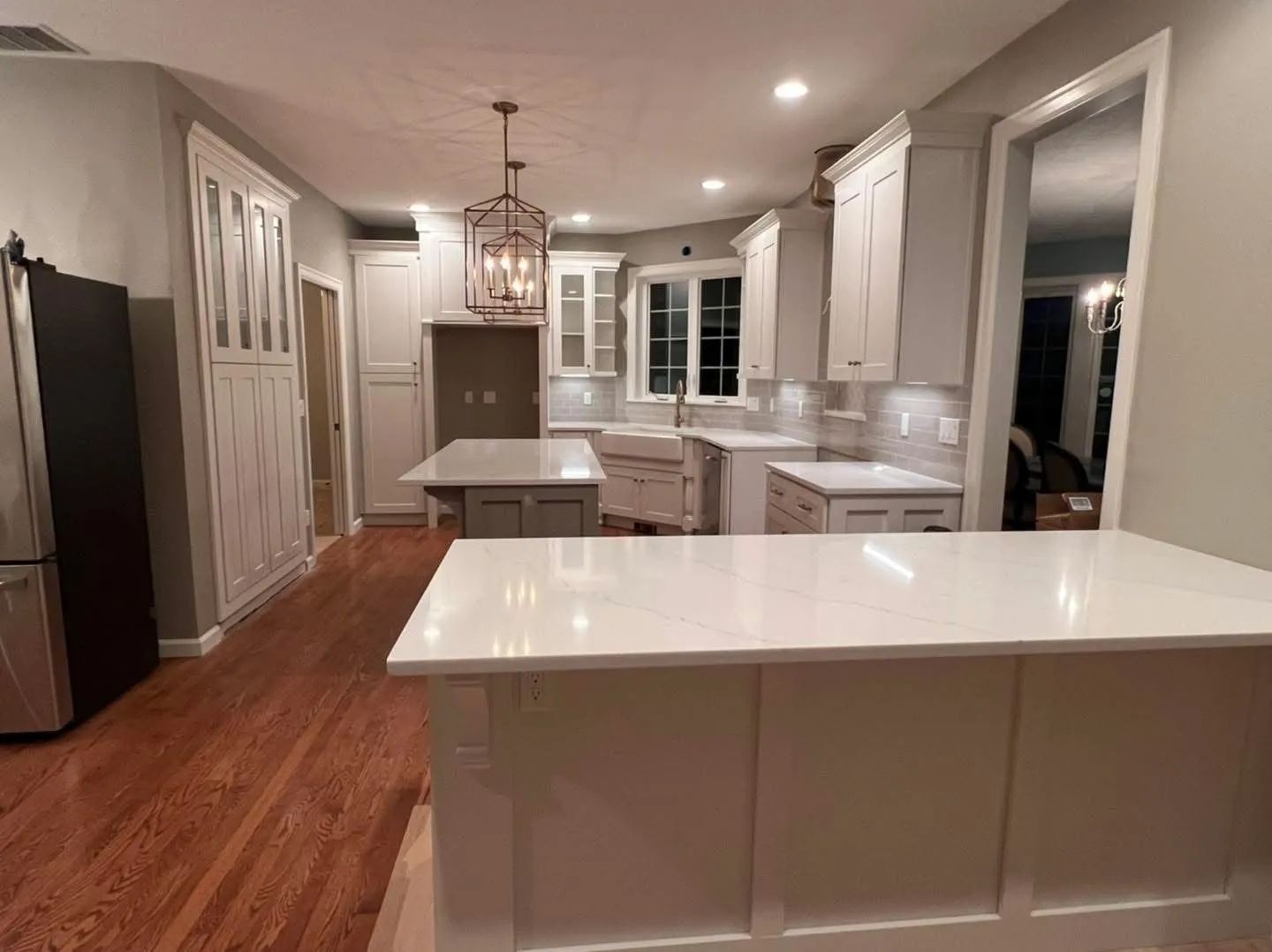
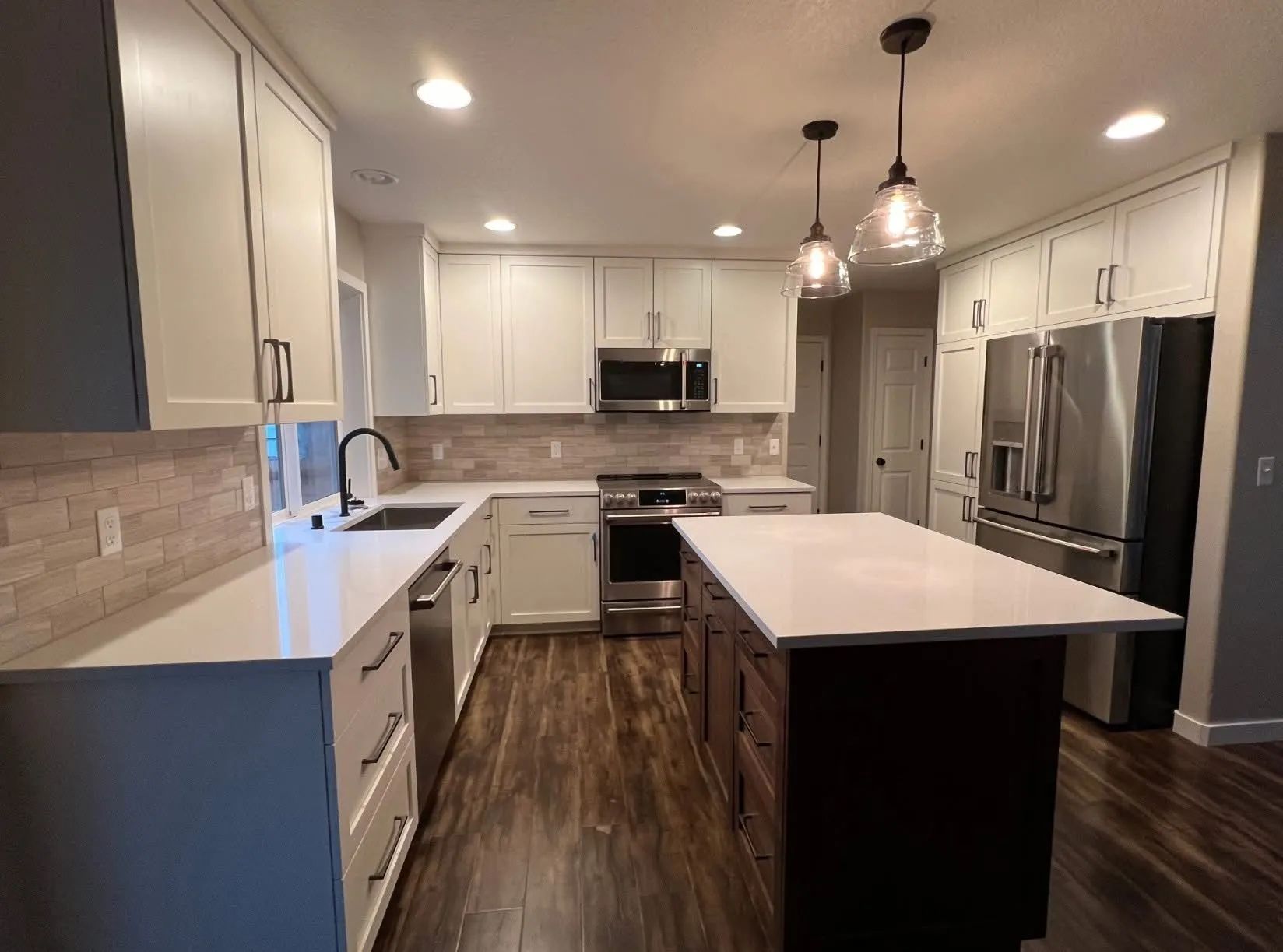
Modern kitchens often incorporate larger islands, expanded counters, and multifunctional surfaces that improve usability while enhancing visual appeal.
Cluttered Surfaces Affect Organization
When appliances, utensils, and storage items consume every available surface, the kitchen quickly feels disorganized. Constant clutter can reduce efficiency and make cleaning more difficult.
A remodel helps create better organization through smart storage integration and improved countertop planning, resulting in a cleaner and more functional kitchen.
3. Cabinets Are Damaged or Outdated
Visible Wear and Structural Problems
Cabinets endure constant use and eventually begin showing signs of deterioration. Warped doors, broken hinges, peeling finishes, and moisture damage indicate aging materials that may no longer perform properly.
Damaged cabinetry not only affects appearance but also reduces storage reliability and durability. Remodeling allows homeowners to replace worn cabinets with stronger, more moisture-resistant materials.
Storage No Longer Meets Household Needs
Many older kitchens lack efficient storage solutions for modern appliances and cookware. Deep shelves, inaccessible corners, and limited drawer space often create unnecessary clutter.
Updated cabinetry can include pull-out organizers, soft-close drawers, hidden storage compartments, and custom pantry solutions that improve accessibility and organization.
4. Aging Appliances Cause Frequent Problems
Increased Energy Consumption
Older appliances typically consume more electricity and water than modern energy-efficient models. Rising utility bills may indicate that outdated equipment is operating inefficiently.
Replacing old appliances during a remodel helps reduce energy costs while improving performance and sustainability.
Constant Repairs Become Expensive
Frequent appliance breakdowns are another sign that a kitchen upgrade is overdue. Repair costs can quickly add up, especially when ovens, dishwashers, or refrigerators repeatedly malfunction.
New appliances provide improved reliability, modern technology, and enhanced safety features that support long-term functionality.
5. Poor Lighting Makes the Kitchen Unsafe
Inadequate Visibility During Food Preparation
Dim lighting can create safety risks when preparing meals. Shadowed countertops and poorly lit cooking areas increase the chance of accidents involving knives, spills, or hot surfaces.
Kitchen remodeling projects often include layered lighting systems that improve both visibility and aesthetics. Under-cabinet lighting, pendant fixtures, and recessed lighting create brighter and safer workspaces.
Outdated Fixtures Affect Appearance
Old fluorescent fixtures or uneven lighting can make the kitchen feel dull and outdated. Lighting plays a major role in the overall atmosphere and usability of the space.
Modern fixtures enhance functionality while creating a more welcoming and visually appealing environment.
6. Ventilation Problems Lead to Moisture and Odors
Lingering Cooking Smells
Weak ventilation systems allow smoke, grease, and odors to remain trapped inside the kitchen. Over time, this buildup affects indoor air quality and makes the space less comfortable.
Installing updated range hoods and improved airflow systems during remodeling helps maintain a cleaner environment.
Excess Moisture Causes Damage
Poor ventilation can also lead to excess humidity, which contributes to mold growth, peeling paint, and cabinet deterioration.
A remodel allows homeowners to improve ventilation efficiency while protecting walls, ceilings, and cabinetry from long-term moisture damage.
7. Flooring and Countertops Show Significant Wear
Cracked or Damaged Flooring
Kitchen floors experience constant traffic and exposure to spills. Cracked tiles, warped wood, and stained flooring indicate that materials may be reaching the end of their lifespan.
Damaged flooring can also create tripping hazards and structural concerns if moisture penetrates beneath the surface.
Countertops Are Difficult to Maintain
Worn countertops with scratches, burns, or water damage become harder to clean and maintain over time. Outdated surfaces may also reduce the kitchen’s overall visual appeal.
Modern materials such as quartz and porcelain provide improved durability, stain resistance, and long-term performance.
8. Plumbing and Electrical Issues Continue to Appear
Frequent Leaks and Water Damage
Recurring plumbing leaks beneath sinks or behind appliances should never be ignored. Water damage can weaken cabinetry, damage flooring, and encourage mold growth.
Kitchen remodeling provides an opportunity to replace aging plumbing systems before larger structural issues develop.
Insufficient Electrical Capacity
Older kitchens were not designed to support today’s appliance demands. Limited outlets, overloaded circuits, and outdated wiring can create safety concerns.
Upgrading electrical systems during remodeling improves convenience while reducing fire risks and ensuring compliance with current building standards.
9. Your Kitchen No Longer Fits Your Lifestyle
Family Needs Have Changed
As households grow or routines evolve, kitchens often become less practical. Families may require additional seating, better storage, or more open gathering areas.
Remodeling allows homeowners to customize the kitchen around changing needs while improving comfort and usability.
Entertaining Feels Difficult
An outdated kitchen may feel too cramped for hosting guests or socializing during meal preparation. Modern designs prioritize openness and interaction, making entertaining easier and more enjoyable.
Expanded layouts and multifunctional islands help create more inviting spaces for family and guests.
10. Your Kitchen Hurts Property Value
Outdated Features Discourage Buyers
Homebuyers often pay close attention to kitchen condition when evaluating a property. Dated cabinets, aging appliances, and worn finishes can negatively affect buyer perception.
A modern kitchen renovation improves visual appeal and strengthens overall market competitiveness.
Remodeling Increases Long-Term Investment Value
Kitchen remodeling consistently ranks among the most valuable home improvement projects. Updated kitchens often provide strong returns by improving functionality, efficiency, and aesthetic appeal.
Addressing problems early helps homeowners avoid larger repair expenses while increasing resale potential.
Professional Kitchen Upgrades Backed By Proven Experience
Recognizing the warning signs of an outdated kitchen allows homeowners to address problems before they become expensive or disruptive. Poor layouts, deteriorating cabinets, aging appliances, inadequate lighting, damaged surfaces, and changing lifestyle demands all indicate when remodeling may be necessary. Ignoring these issues can reduce functionality, compromise safety, and negatively impact long-term property value.
A well-planned kitchen remodel improves efficiency, enhances comfort, and creates a more attractive living environment tailored to modern needs. Beyond aesthetics, remodeling strengthens the overall performance of one of the most important spaces in the home. By identifying these ten signs early, homeowners can make proactive decisions that protect both daily convenience and future investment value.
When homeowners need reliable remodeling solutions, Covas Construction in Vancouver, Washington, delivers trusted craftsmanship backed by 20 years of industry experience. Our approach focuses on creating practical, visually appealing spaces that improve everyday living while increasing long-term property value. From layout optimization and storage upgrades to modern fixtures and durable finishes, every remodeling project is completed with careful attention to quality, functionality, and detail.
Our experience in remodeling allows us to understand the challenges homeowners face when kitchens become outdated, inefficient, or difficult to maintain. We prioritize clear communication, organized project management, and tailored renovation solutions designed around individual goals and budgets. Whether addressing aging materials, improving workflow, or modernizing the overall appearance of a home, our remodeling services are designed to deliver lasting results that homeowners can depend on for years to come. Homeowners seeking dependable renovation expertise can trust our commitment to professionalism, precision, and customer-focused service throughout every stage of the remodeling process.