How a Professional Interior Designer Helps You Maximize Your Home’s Value
Investing in a home is more than a financial decision; it is a personal commitment to comfort, functionality, and aesthetics. A well-designed interior does more than enhance visual appeal—it directly impacts the home’s market value. Whether planning to sell in the near future or simply elevating living spaces for long-term enjoyment, strategic design decisions can create measurable financial returns. Professional interior designers combine creativity with expertise, ensuring every design choice contributes to both beauty and value. By carefully selecting materials, optimizing layouts, and incorporating style trends with timeless appeal, a designer helps transform a property into a highly desirable asset. Their insight ensures that every upgrade—from custom cabinetry to lighting fixtures—aligns with both current market demands and long-term lifestyle needs, maximizing return on investment and homeowner satisfaction.
Maximizing a home’s value requires more than superficial decoration; it demands a strategic, informed approach. Interior designers evaluate spatial efficiency, lighting, color schemes, and furniture placement to create harmonious environments that appeal to a wide audience. Each choice—from flooring to cabinetry—carries potential to enhance comfort while increasing resale potential. Beyond aesthetics, designers anticipate future trends, incorporate functional improvements, and address subtle details that often go unnoticed but significantly influence property valuation. Their expertise also helps avoid costly mistakes, ensuring renovations are practical, durable, and visually cohesive. By blending functionality with design innovation, professional interior design becomes an indispensable tool for homeowners aiming to unlock the full potential of their property.
Strategic Space Planning
Optimizing Functional Layouts
Space planning forms the foundation of interior design. Efficient layouts allow homes to feel larger, more inviting, and highly functional. Strategic furniture placement and circulation paths prevent clutter and enhance flow, making each room more usable. For example, transforming an awkward corner into a reading nook or expanding open-plan areas increases both livability and perceived square footage. These subtle modifications often result in higher appraisals and increased buyer interest, as practical, well-organized spaces are highly sought after in real estate markets.
Balancing Aesthetics and Utility
Professional designers balance beauty with usability. Open spaces must maintain warmth and comfort, not just minimalism. Lighting placement, room zoning, and traffic flow are carefully considered to create spaces that feel both luxurious and functional. This balance ensures that every square foot contributes to value, avoiding wasted areas while maximizing appeal.
Real-World Scenario
Consider a compact living room: repositioning a sofa, incorporating multifunctional storage, and enhancing natural light can make the space appear larger and more inviting. Without professional input, homeowners often misplace furniture or overlook spatial inefficiencies, which can reduce both enjoyment and market appeal.
Best Practices
- Use scaled floor plans to assess potential layouts.
- Prioritize multifunctional furniture for smaller areas.
- Maintain open pathways for easy movement and visual flow.
By thoughtfully planning spaces, homes feel more expansive and purposeful, directly impacting valuation and buyer perception.
Material Selection and Quality Finishes
Choosing High-Impact Materials
Materials influence both aesthetic appeal and property value. Flooring, countertops, and cabinetry selections significantly affect how a home is perceived. Durable, low-maintenance surfaces such as engineered hardwood or quartz countertops provide long-term benefits while appealing to prospective buyers. The choice of materials must align with both style and durability, ensuring that upgrades are visually appealing and functional over time.
Enhancing Market Value with Finishes
Finishes elevate design sophistication. Matte or satin finishes, modern hardware, and coordinated textures create a cohesive, upscale look that resonates with buyers. A professionally selected combination of finishes ensures consistency and balance, preventing visual clashes that can undermine perceived value.
Real-World Scenario
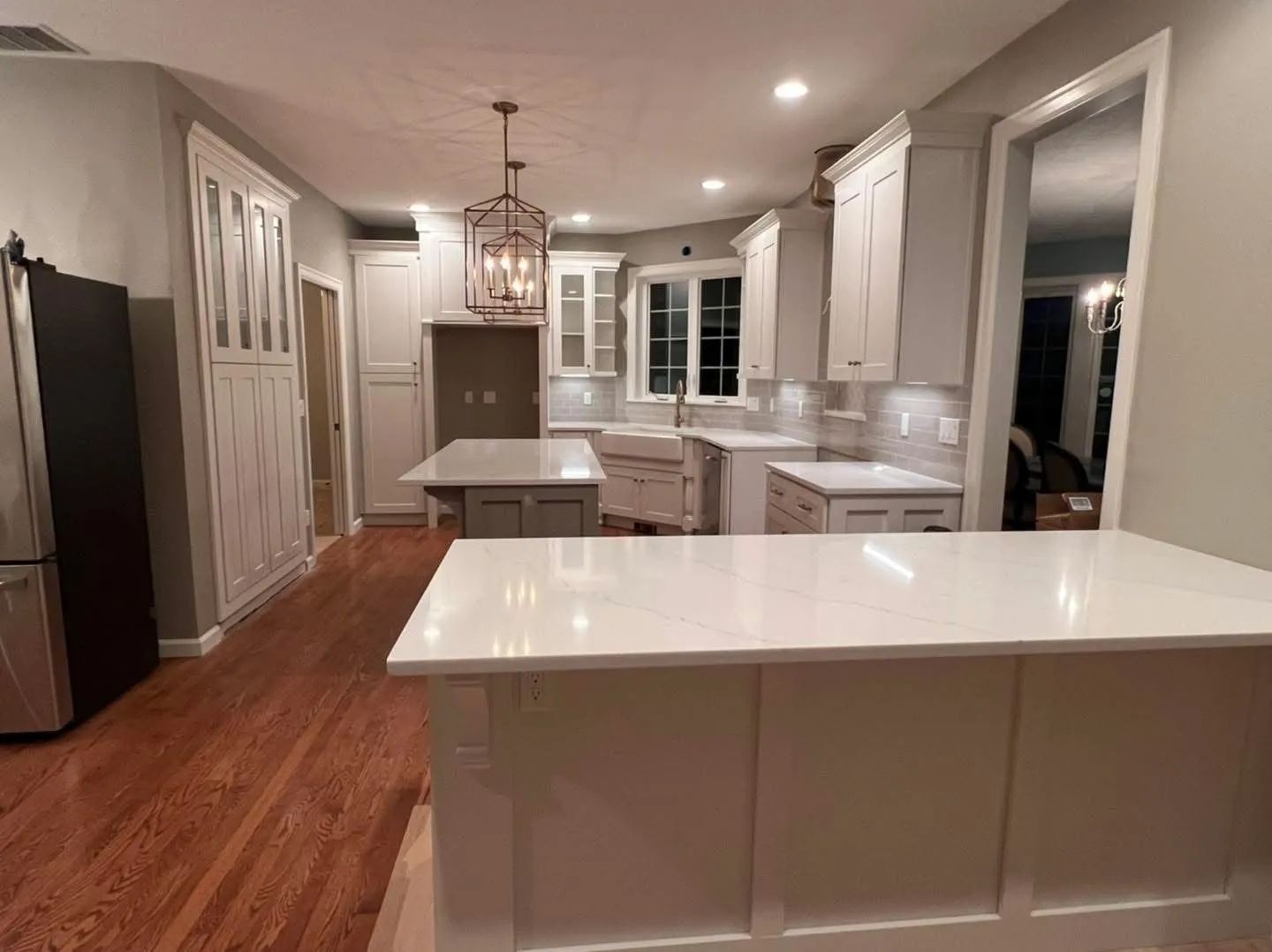
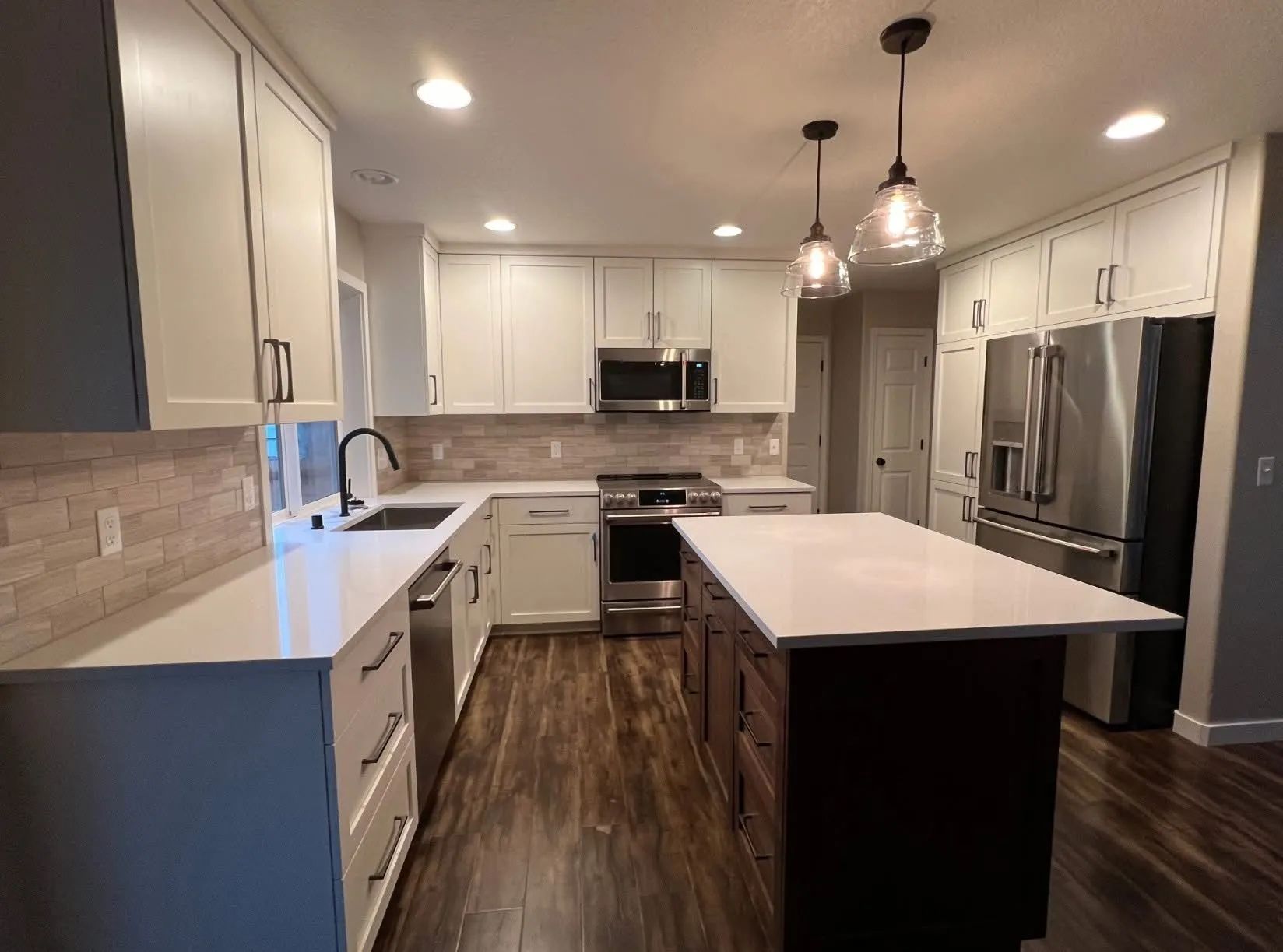
A mid-century home undergoing renovation may include upgraded cabinetry with soft-close hinges, quartz countertops, and high-quality tiling. These improvements, though subtle, create a premium feel that enhances resale value. Buyers respond positively to finishes that appear intentional and professionally curated rather than amateur upgrades.
Best Practices
- Select materials that complement architectural style.
- Prioritize durability in high-traffic areas.
- Consider low-maintenance options to appeal to modern buyers.
By focusing on materials and finishes, designers maximize both aesthetic impact and long-term financial returns, ensuring every investment contributes to home value.
Lighting Design and Ambiance
Layered Lighting for Impact
Lighting transforms spaces, creating mood, depth, and functional illumination. A layered approach—including ambient, task, and accent lighting—enhances room usability while emphasizing architectural features. Professional lighting plans ensure balance, preventing overexposure or shadows that detract from appeal.
Enhancing Value Through Natural and Artificial Light
Maximizing natural light through window placement and reflective surfaces can make interiors feel more spacious and inviting. Complementing natural light with strategically placed artificial sources further enhances comfort and visual appeal. Bright, well-lit rooms are proven to increase buyer interest, positively influencing property value.
Real-World Scenario
In a kitchen remodel, combining pendant lighting above islands, recessed ceiling lights, and under-cabinet illumination creates functional zones and a welcoming atmosphere. Buyers perceive these details as modern and thoughtfully executed, reinforcing perceived home quality.
Best Practices
- Use energy-efficient LED lighting for longevity and cost savings.
- Highlight focal points such as artwork or architectural features.
- Integrate dimmers to allow flexible mood control.
Thoughtful lighting design adds both visual sophistication and functional value, making spaces more appealing to future homeowners.
Color Psychology and Market Appeal
Selecting Colors to Attract Buyers
Color choices impact perception and emotional response. Neutral palettes create a sense of space and flexibility, allowing buyers to envision personal touches. Accent colors strategically introduce personality without overwhelming. Professional designers leverage color psychology to enhance mood, highlight key areas, and unify spaces.
Increasing Resale Potential
Homes with cohesive, market-friendly colors often sell faster and at higher prices. Bold or inconsistent colors can alienate potential buyers, while carefully curated schemes maximize universal appeal. Coordinating wall colors with flooring, cabinetry, and furnishings ensures a harmonious aesthetic that signals quality and attention to detail.
Real-World Scenario
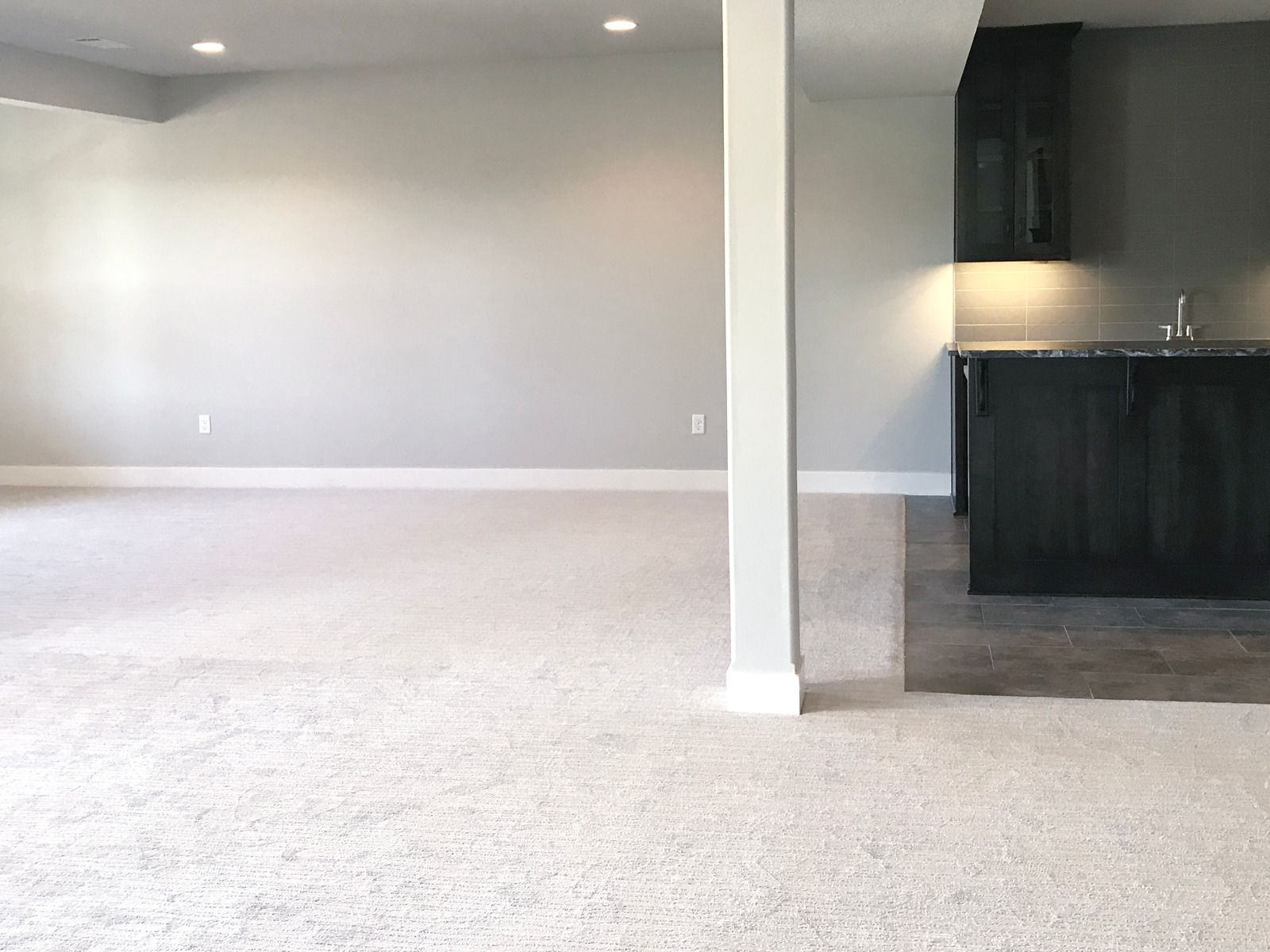
A living room painted in soft beige with charcoal accents on built-in shelving creates warmth and sophistication. Buyers often respond positively to subtle contrasts and layered textures, associating them with higher-quality interiors.
Best Practices
- Stick to neutral base colors for main living areas.
- Introduce accent hues in accessories or small features.
- Ensure color transitions between rooms feel seamless.
By strategically selecting colors, designers create inviting, universally appealing interiors that enhance both immediate enjoyment and long-term market value.
Incorporating Functional Upgrades
Modern Amenities and Smart Features
Incorporating upgrades such as energy-efficient appliances, smart thermostats, and built-in storage significantly increases both comfort and value. Designers identify upgrades that appeal to contemporary buyers while remaining cost-effective, ensuring that improvements yield tangible returns.
Remodeling for Efficiency
Efficiency extends beyond appliances. Kitchen layouts, bathroom vanities, and closet designs optimized for storage and convenience elevate usability. Functional upgrades reduce clutter, enhance comfort, and create a perception of luxury without major structural changes.
Real-World Scenario
A bathroom remodel featuring a frameless glass shower, underfloor heating, and modern vanity elevates user experience. Buyers are drawn to spaces that combine aesthetics with functionality, demonstrating professional attention to detail.
Best Practices
- Invest in upgrades with high ROI such as kitchen and bathroom improvements.
- Prioritize energy efficiency and low-maintenance materials.
- Focus on upgrades that appeal to a broad demographic.
Functional improvements, when integrated seamlessly, enhance lifestyle quality and boost property value, making homes more attractive to potential buyers.
Creating Cohesive Design for Lasting Impressions
Consistency Across Spaces
A cohesive design ties rooms together through style, materials, and color schemes. Disjointed interiors feel chaotic, reducing perceived value. Designers ensure continuity across spaces, reinforcing visual flow and creating a polished, high-end impression.
Enhancing Emotional Connection
Homes that evoke positive emotions resonate more strongly with buyers. Cohesive design creates comfort, sophistication, and harmony, helping prospective homeowners connect emotionally with the property. This emotional attachment often translates into higher offers and quicker sales.
Real-World Scenario
In a multi-level home, coordinating kitchen, living room, and bedroom aesthetics through color, material, and furniture choices creates seamless transitions. Buyers experience a unified, thoughtfully curated environment rather than a collection of disconnected rooms.
Best Practices
- Establish a clear design theme or style direction.
- Maintain consistent material and finish standards throughout.
- Use recurring design elements to create visual harmony.
By creating cohesion and emotional resonance, professional design elevates both the functional and perceived value of a home.
Trusted Experts Elevating Vancouver Bathroom Remodels Professionally
Maximizing a home’s value requires more than surface-level changes. Strategic space planning, thoughtful material selection, expert lighting, color psychology, functional upgrades, and cohesive design work together to enhance both aesthetic appeal and market potential. Each element contributes to a property’s desirability, influencing appraisal value and buyer perception. Professional interior design combines creativity, technical knowledge, and market insight to ensure every decision delivers measurable returns, making it an essential investment for homeowners seeking to optimize their property’s value.
Covas Construction, a leading Bathroom Remodeler in Vancouver, Washington, leverages 20 years of expertise to transform residential spaces into functional, visually appealing environments that elevate property value. With meticulous attention to detail, personalized design strategies, and a commitment to quality, we guide homeowners through every step of the remodeling process. Our experience ensures that bathrooms not only meet current lifestyle needs but also appeal to prospective buyers, enhancing both comfort and resale potential. Trust us to provide expert guidance and superior craftsmanship that maximizes your home’s long-term value.